


The Milestones That Changed Women’s Health... And the Numbers We Must Keep in the Room

by Kylie Jacob, Marketing & Communications Chair
Health and Nutrition Association of Trinidad & Tobago (HNATT)
In the Caribbean, women have always “handled it.”
Handled the home.
Handled the children.
Handled the job.
Handled the stress.
But good health policy is not built on “handling it.” It is built on science, legislation, and accountability.

For International Women's Day, we’re looking at the defining moments that transformed women’s health, and the statistics that must remain in every room where policy is discussed.
1919: Maternity Leave Became a Right
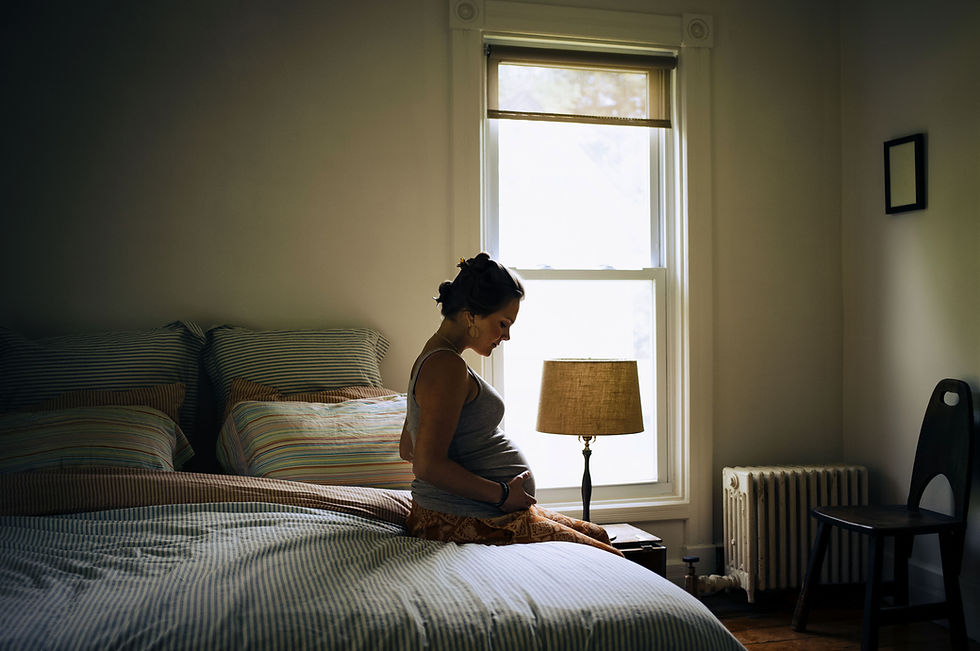
The International Labour Organization adopted its first Maternity Protection Convention in 1919, recognizing that childbirth requires medical recovery and income protection.
Over time, Caribbean nations, including Trinidad and Tobago, embedded maternity protections into labour legislation, providing paid leave and job security.
This milestone:
Reduced maternal complications
Protected household income
Acknowledged caregiving as economic labour
Celebration is cultural. Protection is policy.
1960: The Pill & Reproductive Autonomy
The approval of the oral contraceptive pill in 1960 reshaped education, employment, and public health.

Reliable family planning contributed to:
Increased tertiary enrollment for women
Greater workforce participation
Lower maternal mortality
Expanded economic independence
Reproductive autonomy remains central to women’s health outcomes and national productivity.
1984: Heart Disease: The Statistic That Still Surprises People
In 1984, research confirmed that cardiovascular disease had become the leading cause of death among women, and it remains so today.
Cardiovascular disease accounts for approximately 1 in 3 deaths among women globally.
Women often present different symptoms than men, including fatigue, shortness of breath, nausea, or back pain leading to delayed diagnosis.
In the Caribbean, high rates of hypertension, diabetes, and obesity significantly increase cardiovascular risk among women.
Stress is not just emotional. It is biological.
1990s: Breast Cancer: Progress, Research & Persistent Risk
Breast cancer advocacy in the nineties dramatically expanded funding and research.
Breakthroughs included:
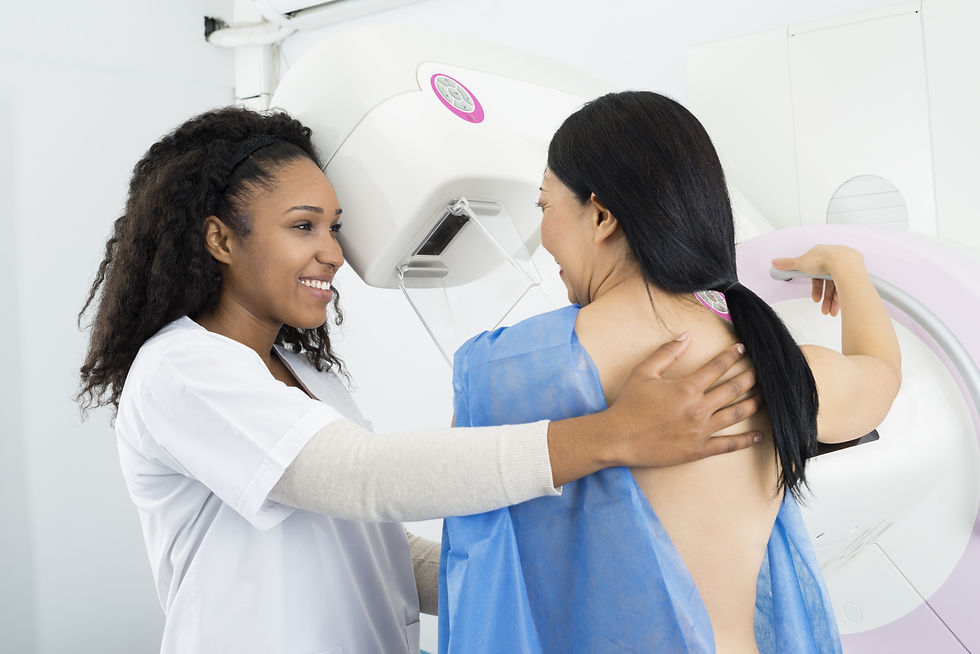
Widespread mammography screening
Hormone therapies such as tamoxifen
Targeted treatments like trastuzumab
Earlier detection protocols
These advancements improved survival rates significantly when cancer is detected early.
Yet today:
Breast cancer is the most commonly diagnosed cancer in women globally.
It causes over 600,000 deaths annually worldwide.
In many Caribbean countries, breast cancer remains one of the leading causes of cancer-related deaths among women.
Screening access, affordability, and timely treatment continue to determine survival outcomes.
1990s: Postpartum Depression: Recognizing Maternal Mental Health
By the 1990s, postpartum depression was recognized as a serious clinical condition.
Approximately 1 in 7 women globally experience postpartum depression.

Untreated maternal depression affects mothers, infants, and long-term child development.
In cultures that normalize endurance, formal recognition of maternal mental health marked a crucial shift toward evidence-based care.
2006: HPV Vaccine & Cervical Cancer: Prevention Within Reach
The HPV vaccine was introduced in 2006... a major development in cancer prevention.
Human Papillomavirus (HPV) is responsible for the majority of cervical cancer cases.
Cervical cancer can largely be prevented through:
HPV vaccination
Regular Pap smears
Early treatment of precancerous changes
Practicing safe sex (use of condoms)

Yet:
Cervical cancer causes over 300,000 deaths annually worldwide, with most occurring in low- and middle-income countries.
The prevention tools exist. Sustained uptake and public trust remain essential.
2014: Period Poverty: A Public Health Reality
Only in the past decade has period poverty gained global recognition as a serious public health and education issue. Around 2014–2015, advocacy groups and the United Nations began highlighting how lack of access to menstrual hygiene products affects education, dignity, and gender equality.
Since then, some countries have taken major steps for example, Scotland became the first country in the world to provide free menstrual products nationwide in 2020, ensuring that no woman or girl has to miss school or work due to lack of access.

Yet globally, millions of women and girls still lack reliable access to sanitary pads or other feminine hygiene products.
Access to menstrual products is not a luxury. It is a public health necessity... and a human right.
Where We Stand Today
Despite historic milestones:
Cardiovascular disease remains the leading cause of death among women globally.
Approximately 287,000 women die annually from pregnancy-related causes, most preventable.
Breast cancer remains the most diagnosed cancer in women worldwide.
Cervical cancer continues to claim hundreds of thousands of lives despite available vaccines.
Postpartum depression affects millions of families annually.
Caribbean women face high rates of obesity, diabetes, and hypertension... major drivers of non-communicable diseases.
These numbers affect healthcare budgets, workforce participation, and family stability.
They are not background statistics.
They are policy indicators.

At HNATT, we believe every policy discussion, whether about food systems, labour law, cancer funding, vaccination programs, or NCD prevention must ask:
How does this improve women’s health outcomes?
Because when women are healthy:
Families thrive.
Communities stabilize.
Nations grow stronger.
This International Women’s Day, we celebrate the breakthroughs BUT we keep the data in front of us.
Progress is powerful.
Prevention is possible.
And policy must keep up.
Sources:
Women's Health Statistics:
Cervical Cancer:
Breast Cancer Global Impact:
Heart Disease in Women: WHO data on NCDs and heart disease burden
Maternal mortality: WHO fact sheet
WHO/UNICEF report on menstrual health gaps in schools worldwide: Global menstrual health and hygiene gaps report – WHO
Official Scottish Government overview of free period products policy: Free period products policy in Scotland


Comments